Calendar arithmetic4 min read
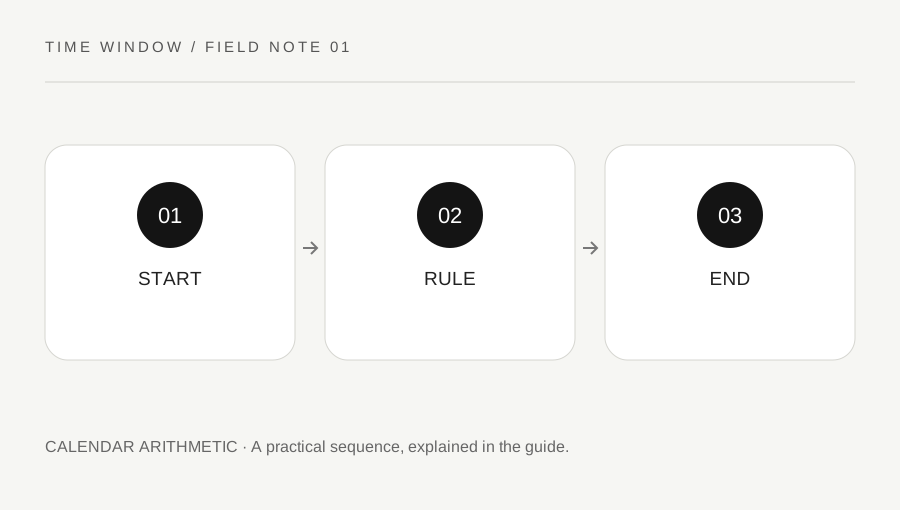
Two dates do not specify a complete counting rule. A useful answer states whether it measures the gap between dates or counts all the calendar dates in a range. Decide that before using a calculator or comparing results.
Read the complete guide ↗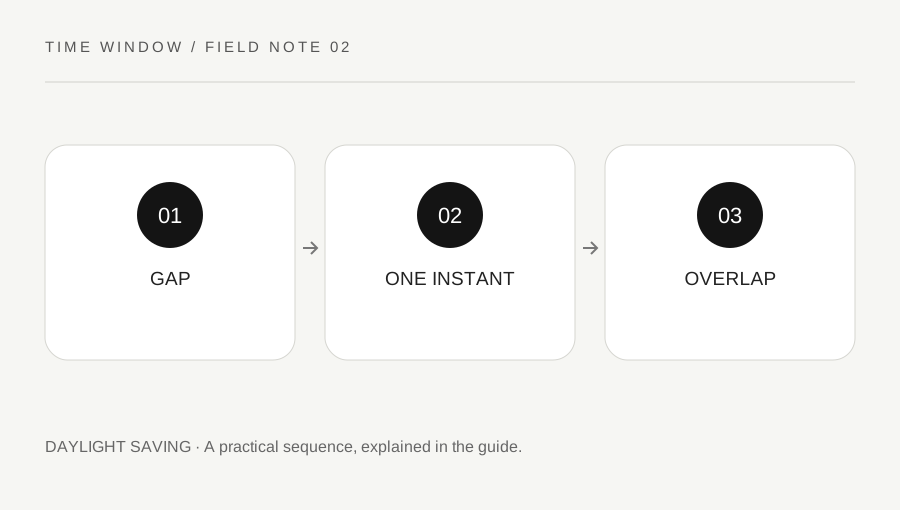
Daylight saving4 min read
A clock reading is not always enough to identify one instant. When local clocks move forward, some readings do not occur. When clocks move backward, some occur twice. A careful converter exposes that ambiguity instead of silently choosing for you.
Read the complete guide ↗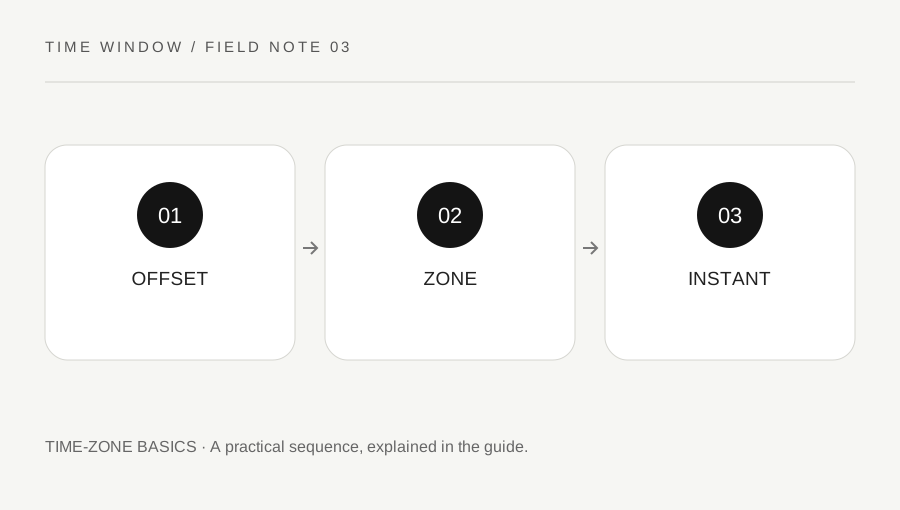
Time-zone basics4 min read
UTC+02:00 describes a difference from UTC at an instant. Europe/Paris identifies a set of location-based clock rules. They can agree on one date and give different scheduling behavior on another. Choose the representation that matches the task.
Read the complete guide ↗
Meeting clarity4 min read
A useful international invitation gives every participant both a local date and a local time. The task is not finished when two clock readings look reasonable. Check the calendar day, seasonal rules and the actual appointment before sending the invitation.
Read the complete guide ↗
Calendar arithmetic3 min read
A leap year changes the number of dates in February. A local clock change can alter the elapsed hours between two local midnights. Neither fact changes the need to specify what you are counting: dates, duration or calendar anniversaries.
Read the complete guide ↗
Meeting clarity4 min read
A recurring appointment needs more than a first date and time. Decide whether the local clock reading or a fixed UTC schedule should remain stable, and decide how exceptional local times will be handled. Those choices shape every later occurrence.
Read the complete guide ↗
Calendar arithmetic4 min read
A date written with slashes can be easy to copy and easy to misunderstand. When both leading numbers are twelve or smaller, the text alone may not reveal which is the month. Resolve the format before calculating, importing or scheduling anything.
Read the complete guide ↗
Time-zone basics4 min read
The most confusing clock readings often sit at the boundary between days. A clear schedule distinguishes noon from midnight and gives midnight its own date. Converting to a twenty-four-hour clock helps only when that date context stays visible.
Read the complete guide ↗
Calendar arithmetic3 min read
A decimal fraction of an hour uses a base of one hundred in its written form, while an hour contains sixty minutes. That difference makes 1.50 hours and 1:50 easy to confuse. State the format before adding or comparing durations.
Read the complete guide ↗
Time-zone basics3 min read
Two locations can share a similar clock reading while using different calendar dates. A reliable comparison follows one instant into each location’s full date and time. Do not try to recover the date afterward from a remembered hour difference.
Read the complete guide ↗
Calendar arithmetic3 min read
A Monday-to-Friday count can be calculated from complete weeks and leftover dates. That is a weekday count, not automatically an official business-day count. Holidays, work patterns and endpoint rules need to be specified separately.
Read the complete guide ↗
Time-zone basics3 min read
Not every civil-time offset is a whole number of hours. A conversion that discards the minutes can be wrong even when the hour looks familiar. Use a named zone and retain the entire resulting clock reading and UTC reference.
Read the complete guide ↗
Meeting clarity4 min read
An event can change its displayed hour after import because the source represented time differently from what you expected. Check the original invitation, the named zone and the intended local schedule before manually moving every occurrence.
Read the complete guide ↗
Calendar arithmetic4 min read
A week number needs a week-numbering system and a year. Near New Year, an ISO week can belong to a different week-year from the date’s ordinary calendar year. Keep both labels visible when comparing schedules or exported reports.
Read the complete guide ↗
Meeting clarity4 min read
An all-day birthday or observance can describe a date rather than an instant at midnight. Turning every date into a timestamp can make it appear on another day in another zone. Preserve the event’s intended type before troubleshooting its display.
Read the complete guide ↗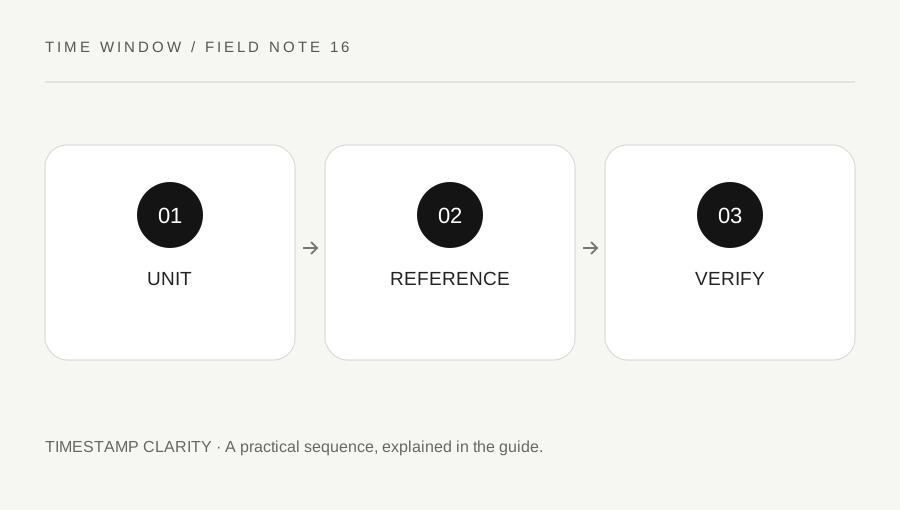
Timestamp clarity3 min read
A long number called a timestamp is incomplete without its unit and reference system. Seconds and milliseconds differ by a factor of one thousand. A wrong assumption can produce an implausible year or a result that looks valid but describes the wrong instant.
Read the complete guide ↗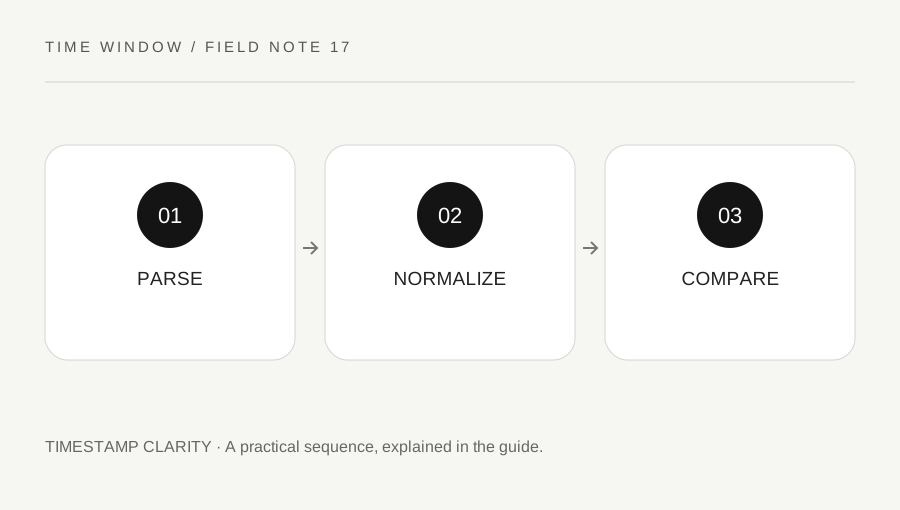
Timestamp clarity3 min read
Two timestamp strings can show different hours while identifying the same instant. Conversely, identical local clock text can identify different instants when its offsets differ. Normalize the meaning before sorting, comparing or investigating an apparent delay.
Read the complete guide ↗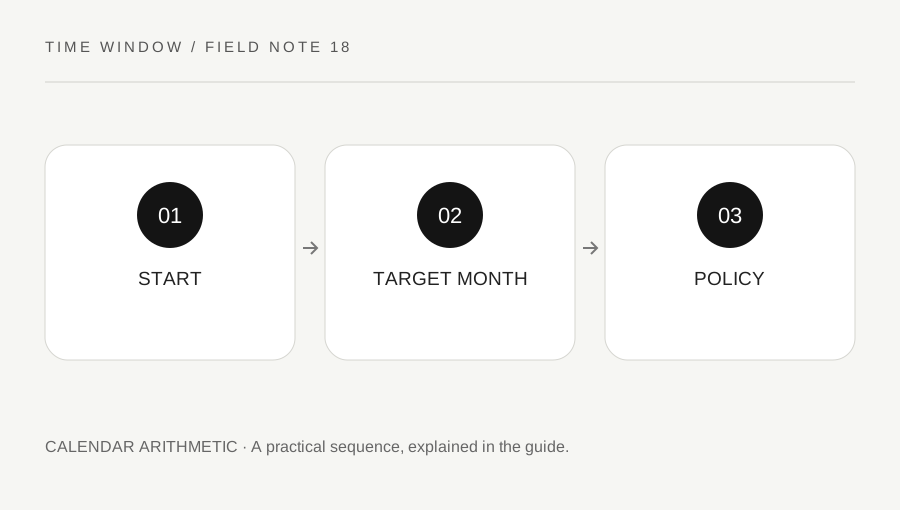
Calendar arithmetic3 min read
Adding one calendar month is not the same as adding thirty days. A late-month starting date can lead to a target month without that day number. A useful schedule states its rollover policy rather than hiding the choice inside a software default.
Read the complete guide ↗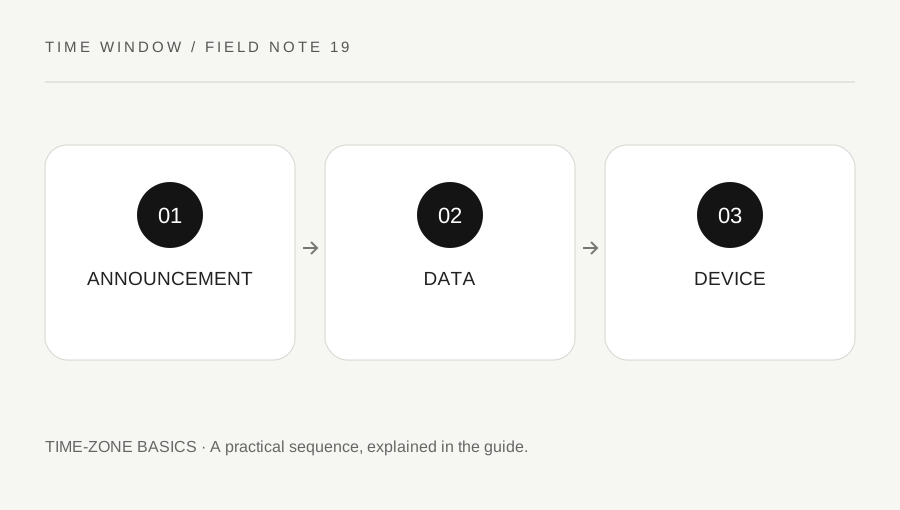
Time-zone basics3 min read
Time-zone conversion depends on civil rules, and governments can change those rules. A converter can be internally consistent yet use data that has not received a recent update. Check the installed data context when a result conflicts with an official announcement.
Read the complete guide ↗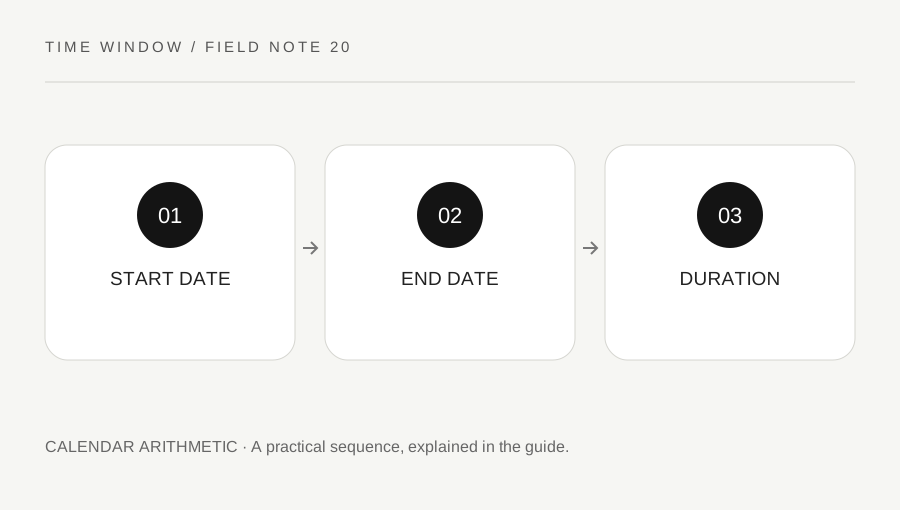
Calendar arithmetic3 min read
An end clock reading earlier than a start reading does not necessarily mean a negative duration. The session may cross midnight. Keep the dates attached, and distinguish an ordinary local-clock exercise from a real elapsed interval affected by zone changes.
Read the complete guide ↗